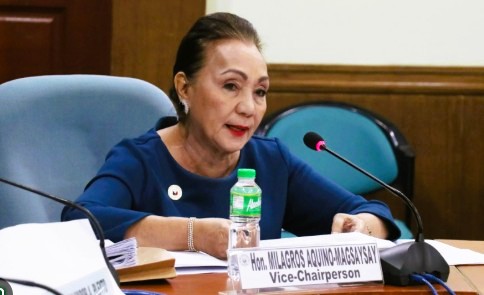

IN a major legislative push to empower the elderly, the House Committee on Senior Citizens, chaired by United Senior Citizens Party-list Representative Milagros Aquino-Magsaysay, approved the consolidation of six bills designed to expand employment opportunities for senior citizens.
The committee approved the consolidation of House Bills 7319, 7568, 8940, 9792, 10133, and 10138.
Once enacted into law, the unified measure will amend Republic Act No. 7432, commonly known as the Expanded Senior Citizens Act of 2010. The reform aims to remove barriers to work for older individuals who remain willing and able to contribute to the workforce.
In line with the Bagong Kongreso initiative led by Speaker Faustino “Bojie” G. Dy III—which seeks to make the legislative process more accessible to the public—the committee announced plans to hold nationwide public hearings and stakeholder consultations starting this September.
Beyond employment initiatives, the committee also greenlit several key measures aimed at improving daily care and digital inclusion for older Filipinos:
- Community Day Care Centers: The panel approved House Bill 190, authored by Aquino-Magsaysay, which mandates the establishment of a senior citizens day care center in every barangay. These facilities are intended to provide safe, engaging spaces for recreational activities, social interaction, and livelihood programs.Advertisement

- Digital Inclusion: House Bill 780, authored by Senior Citizens Party-list Representative Rodolfo “Ompong” Ordanes, was approved to integrate senior citizens and persons with disabilities (PWDs) into the national eGov PH Super App, streamlining access to government services.
- Residential Care Standards: The committee instructed its secretariat to draft a substitute bill consolidating House Bills 2020 and 6765, establishing strict regulatory, accreditation, and quality standards for residential care facilities catering to the elderly.
Aquino-Magsaysay emphasized that advanced age should not exclude individuals from active participation in economic and civic life.
The lawmaker noted that the central objective of these legislative efforts is to ensure senior citizens are not merely represented on paper, but that their voices are genuinely heard and integrated into community-level decision-making.