





AS the 2026 ASEAN Chair, the Philippines—spearheaded by the Technical Education and Skills Development Authority (TESDA)—successfully led a series of high-level regional engagements under the ASEAN TVET Council (ATC).
Guided by the theme “Navigating Our Future, Together” and the sub-theme “ASEAN: Skilled for the Future,” the initiatives centered on digital transformation, green skills, and inclusive access to employment and training.
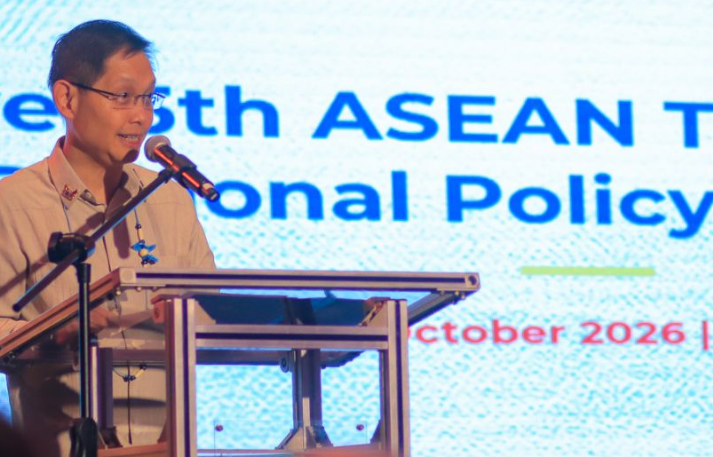
The series culminated on October 21 with the 5th ATC Regional Policy Dialogue, where regional leaders synthesized recommendations from the year’s forums to advance the ATC Work Plan 2021–2030.
This was followed on October 22 by a Commemorative Event marking the Council’s sixth founding anniversary.
During the event, ATC members adopted a pivotal Joint Statement committing member states to integrated green and digital transformations, women’s economic empowerment, technology-enabled skills development, evidence-informed governance, and a people-centered transition for workers.
During the succeeding 6th ATC Meeting, member states outlined follow-through priorities before Viet Nam formally assumed the Council chairmanship.
Discussions throughout the year highlighted how rapid technological shifts, particularly artificial intelligence, are altering job roles.
While AI reshapes tasks more than it erases entire occupations, vulnerable groups—such as women in clerical roles, young entry-level workers, and informal or rural laborers—face the highest exposure with the least access to retraining.

For everyday workers and learners, the council’s commitments translate into tangible benefits: recognized short courses, training tailored for emerging green and digital industries, enhanced support for women in technical trades, and trusted credentials recognized across ASEAN.
Reflecting on the milestone, TESDA Secretary Kiko Benitez emphasized the human element behind the regional policies.
“Behind every regional framework is a learner who wants a better job and a worker who does not want to be left behind,” Benitez said.
“Through the ASEAN TVET Council, we have an important platform to turn our shared priorities into concrete actions, so that the benefits of technological and economic transformation translate into better jobs and livelihoods for our people,” added Benitez.
The Philippines originally proposed the establishment of the ATC during its 2017 ASEAN Chairship, leading to its official launch in September 2020.
As the Council’s inaugural chair, the Philippines laid down foundational institutions that continue to shape regional workforce resilience and inclusive growth.