



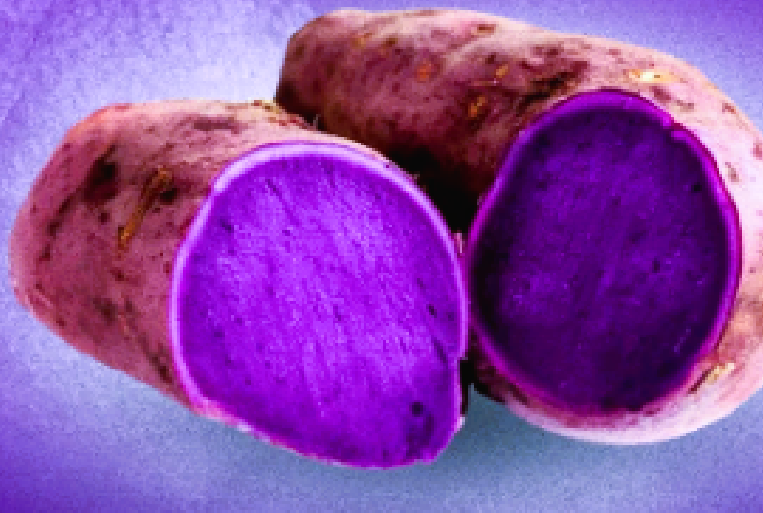


JUST as matcha put Japan on the map, ube has become a global sensation from Los Angeles to London.
However, this skyrocketing international demand has exposed deep-rooted structural vulnerabilities in the Philippines.
While exports hit $3.06 million (1.7 million kilograms) by 2025, domestic production paradoxically dropped from over 15,000 metric tons in 2021 to 12,483 metric tons.
The crunch is driven by an 8- to 11-month growth cycle that leaves crops vulnerable to typhoons and climate risks, alongside a severe supply chain inequity where middlemen capture 60% to 65% of profits.
Compounding the issue, high market prices tempt smallholders to sell their entire harvest, creating severe shortages of planting materials for the next season and forcing the country into the irony of importing ube products from Vietnam.
To prevent biopiracy and stop foreign competitors from using local varieties to overtake the market, the Department of Agriculture (DA) indefinitely suspended the export of raw fresh ube and planting materials in mid-August 2025.

Agriculture Secretary Francisco P. Tiu Laurel Jr. emphasized that the ban will likely remain until 2028 to safeguard domestic stocks while the industry builds capacity.
Concurrently, the government is seeking a ₱300 million funding rollout—allocating about ₱850,000 per hectare—to double the area currently planted with ube and add 1,000 hectares in the first year.
DA Undersecretary Philip Young noted that the move aims to build reliable supply chains for export-ready commodities.
Meanwhile, legislative action is underway.
Pinoy Workers Party-list Rep. Karl Fernandez Legazpi filed House Resolution No. 1166, seeking a congressional probe into the industry’s decline.
Lawmakers aim to address fragmented farming, climate risks, and value-chain gaps to ensure farmers truly benefit from ube’s global cultural footprint.