THE Land Transportation Franchising and Regulatory Board (LTFRB) has intensified its nationwide drive against dilapidated and unkempt public transportation, apprehending 226 public utility vehicles (PUVs) across Metro Manila and nearby provinces during an aggressive two-month enforcement campaign from June to July.
The targeted operations—conducted under the directive of Department of Transportation (DOTr) Secretary Giovanni “Banoy” Z. Lopez and LTFRB Chairman Atty. Vigor D. Mendoza II—form part of ongoing government efforts to enforce basic cleanliness standards, guarantee passenger safety, and ensure dignified transit conditions for everyday commuters.
According to Atty. Sherwin D. Vizconde, head of the LTFRB Law Enforcement Division, enforcement teams focused heavily on high-density transit corridors and areas with elevated volumes of commuter complaints.
The majority of the apprehensions involved taxis, with 178 non-compliant units cited during targeted operations in Quezon City and Caloocan.
Additionally, enforcers cited 48 passenger buses following roadside inspections along major thoroughfares, including Mindanao Avenue, NIA Road, Monumento, and near Robinsons Antipolo.
Following the apprehensions, the regulatory agency issued formal show-cause orders to affected fleet operators, requiring them to explain why their Certificates of Public Convenience (franchises) should not be suspended or revoked due to strict maintenance violations.
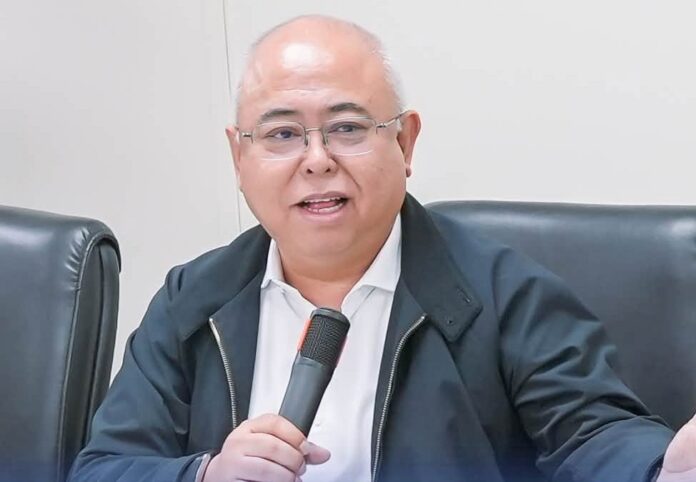
Chairman Mendoza stressed that public transport operators are legally bound to maintain clean, roadworthy, and presentable vehicles as a fundamental condition of their operating permits.
Mendoza warned that the agency will aggressively revoke operating privileges for repeat offenders who fail to comply with basic standards.
“There must be no excuses for dilapidated, untidy, and stinking public transportation units,” Mendoza said. “If these regulations are being violated, then we have no choice but to strip them of the privilege to operate PUVs for disrespecting not only the commuters but the entire public transportation system.”
Agency leadership confirmed that surprise inspections targeting buses, taxis, jeepneys, and Transport Network Vehicle Services (TNVS) units will continue routinely as part of the broader push to modernize and professionalize national public transport.