





EDUCATION stakeholders are calling for reforms that can survive changes in political leadership, stressing the need to embed improvements within institutions and systems rather than tie them to individual administrations.
The call was made during The Asia Foundation’s (TAF) Education Governance Forum, “The Next Two Years: Securing the Philippines’ Education Gains,” held on September 28.
The forum brought together government officials, legislators, educators, development partners and other stakeholders to discuss ways to sustain current reforms and turn them into lasting institutional changes.
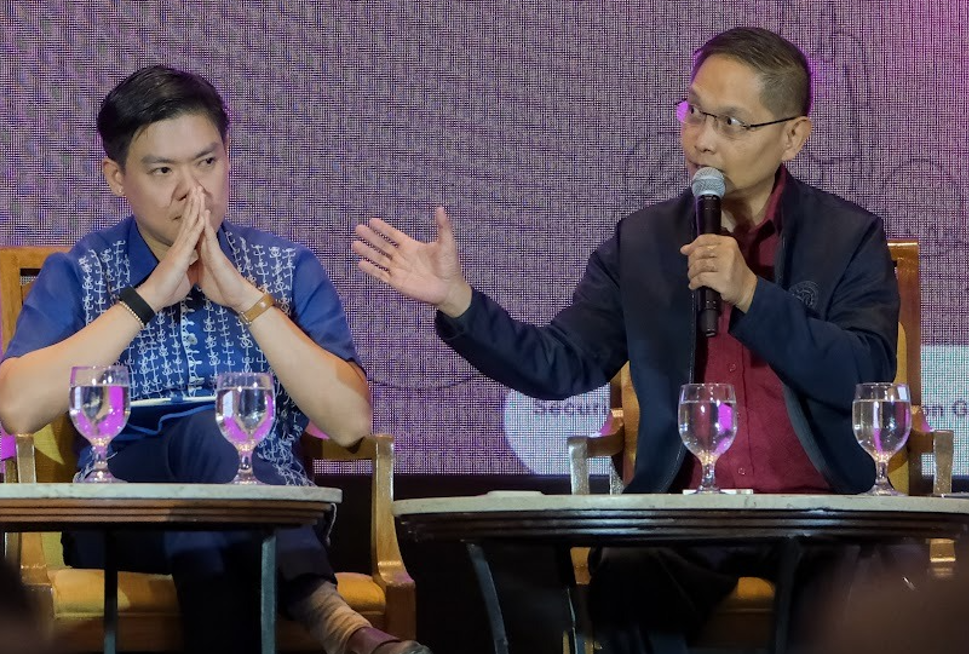
TESDA Director General Francisco “Kiko” Benitez said education reforms must be designed to continue regardless of who leads the government.
“Presidents change, secretaries change, leaders change. An education must be bigger than any adm inistration,” Benitez said.

He acknowledged that decades of structural problems cannot be solved within the next two years but said the remaining reform period provides an opportunity to move away from short-term solutions and lay the groundwork for the proposed 10-year National Education and Workforce Development Plan.
“While we cannot fix decades of accumulated structural problems in two years, what we can do is break the cycle, hopefully, of short-term fixes,” Benitez said.
Second Congressional Commission on Education (EDCOM 2) Executive Director Karol Mark Yee stressed that reform continuity should not rely solely on individual leaders or champions.
He said government institutions and bureaucracies must take ownership of reforms and ensure their implementation continues through leadership transitions.
Yee also called for monitoring and evaluation systems that focus on actual impact rather than compliance with activities or checklists.
The forum likewise highlighted the importance of building a broader constituency for education reform involving lawmakers, researchers, civil society groups, local governments, schools, teachers, parents and learners.
Stakeholders also emphasized strengthening local and community ownership by giving schools and local governments greater flexibility to respond to their specific needs while ensuring communities understand and participate in reform efforts.
Ultimately, participants said education reforms must become part of the country’s institutional systems—not merely initiatives associated with specific leaders, administrations or projects.