

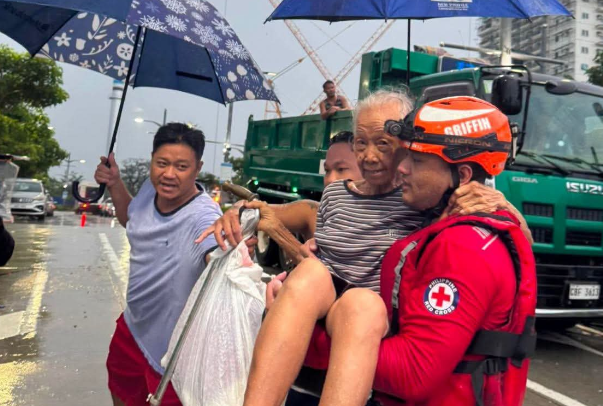


THE Philippine Red Cross (PRC) has intensified its full-scale humanitarian response across Luzon, deploying specialized rescue, medical, relief, and sanitation teams as monsoon-induced flooding continues to jeopardize vulnerable communities.
As of August 31, operations span critical zones in Metro Manila, Pangasinan, Tarlac, Bulacan, Pampanga, Zambales, Cavite, Rizal, La Union, Baguio, and Batangas.
Heavy rescue assets—including six rescue boats, 12 ambulances, five food trucks, three 6×6 trucks, two Humvee units, and an amphibious vehicle—have been mobilized alongside 1,083 unique volunteers and 147 staff members to support ground efforts.
To tackle immediate hunger and displacement, PRC teams have served 35,551 hot meals, distributed 17,254 loaves of bread, and delivered 2,818 three-day food packages.
Emergency Response Units have safely evacuated 624 individuals trapped by rising floodwaters. Furthermore, 107 first aid stations have been established on the ground, administering medical treatment to 250 individuals and conducting nearly 1,000 vital signs checks.
Beyond immediate rescue, the PRC is focusing heavily on post-flood health and hygiene hazards. Medical personnel have conducted 649 consultations, distributed thousands of facemasks, and supplied doxycycline tablets to prevent waterborne infections like leptospirosis.
Sanitation teams reached over 20,000 individuals with hygiene promotion campaigns and kits, while deploying water tankers to conduct flushing operations in Olongapo.
recognizing the emotional strain on evacuees, welfare services extended psychological first aid to 5,725 individuals and established child-friendly spaces for over 4,000 children across 62 welfare desks.
“Habagat can quickly turn heavy rains into a serious emergency, especially for families in flood-prone communities,” said PRC Chairman and CEO Richard J. Gordon, emphasizing that teams remain fully deployed on the ground.
Echoing the multi-pronged approach, PRC Secretary General Dr. Gwendolyn Pang noted that humanitarian aid must extend past initial rescue operations.
“Our response does not stop at rescuing people from floodwaters,” Pang stated. “We are providing health services, food, hygiene support, psychological first aid, and safe spaces for children because these are all essential to keeping families safe.”
The PRC continues to monitor evolving needs to scale its operations accordingly.


