



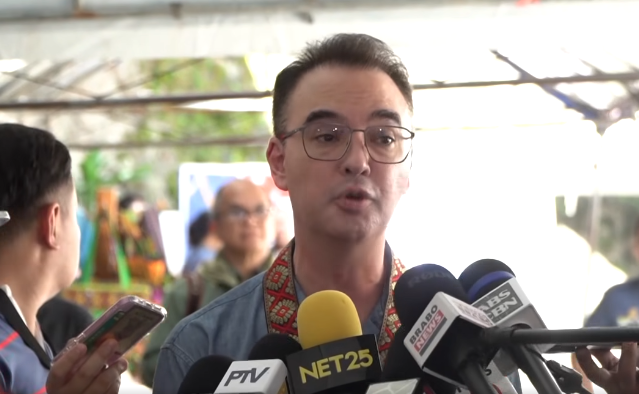


SENATE Minority Leader Alan Peter Cayetano delivered his “Kontra-SONA” response on July 28, 2026, arguing that ingrained societal values—rather than a lack of resources—are the primary barrier preventing the Philippines from reaching its full potential.
Delivered a day after the President’s State of the Nation Address (SONA), Cayetano questioned why a nation rich in natural resources, talent, and potential continues to struggle with poverty.
“Bakit mahirap ang ating estado? Ano ba ang pumipigil sa ating bansa?” Cayetano asked, answering that the root problem is national culture.
Cayetano stressed that while schools and churches teach morality, children ultimately emulate what they observe in broader society. He pointed to a deep disconnect between the ethics Filipinos preach and the systemic misbehavior they tolerate, using corruption as a primary example.
“We have to address corruption. But we have to address the culture of corruption,” he stated.
He questioned how society can effectively condemn large-scale graft, such as stolen flood control funds, while ignoring everyday dishonesty like cheating on exams or telling minor lies.

He noted that this mindset enables widespread bribery in securing business permits, paying property taxes, and clearing Customs.
To illustrate how weak enforcement endangers youth, Cayetano cited the rampant accessibility of e-cigarettes to minors despite existing regulations.
Referencing the Global Youth Tobacco Survey, which found that roughly one in seven Filipino students aged 13 to 15 used e-cigarettes, he reiterated his call for a complete ban on vape products to protect young people from addiction and health risks.
Addressing juvenile delinquency, Cayetano noted that while factors like mental health and extremist grooming play a role, society as a whole shares responsibility for the environment it creates.
“In the end, there is a specific blame and there is a general responsibility,” Cayetano said, reminding leaders and communities that children are constantly watching and learning from adult behavior.