

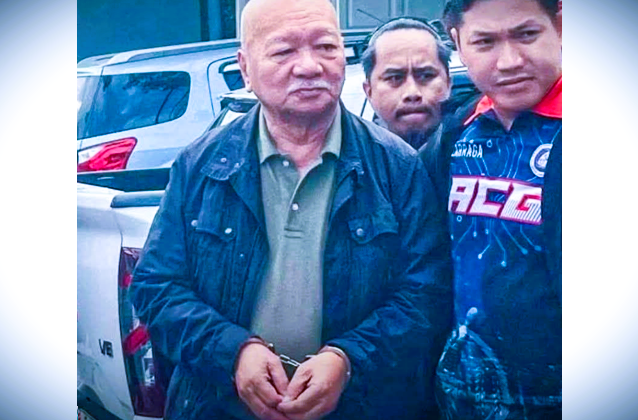


MAJOR press freedom advocates and government watchdogs have strongly condemned the recent arrest of veteran journalist and author Philip Lustre Jr., raising serious concerns over due process, the protection of journalists, and the potential weaponization of cyberlibel laws.
Lustre, 72, was taken into custody by Quezon City police on the morning of Saturday, October 24, 2026, shortly after participating in a media forum.
The apprehension was executed pursuant to a cyberlibel warrant issued by a court in Davao City.
According to his legal counsel, Atty. Dino De Leon, Lustre had no prior knowledge of the complaint before the arrest was implemented.
Reacting to the development, National Press Club (NPC) President Mina Navarro called on authorities to provide a transparent account of the circumstances surrounding the arrest, stressing that constitutional rights and due process must be strictly upheld.
While acknowledging the authority of law enforcement, the NPC warned that the application of cyberlibel provisions against members of the media risks creating a dangerous chilling effect on public-interest reporting and accountability journalism.
“Press freedom is a cornerstone of democracy,” the NPC stated. “Legal processes must never be used to obstruct legitimate journalism or silence critical voices.”
Simultaneously, the Presidential Task Force on Media Security (PTFoMS) expressed deep concern over the incident, as well as separate libel and cyberlibel complaints recently filed against several GMA Network journalists and executives before the Davao City Prosecutor’s Office.
PTFoMS urged the prompt handling of Lustre’s bail application, asking for humanitarian consideration given his senior citizen status, alongside full guarantees for his access to counsel, family, and medical assistance.
The task force emphasized that laws designed to protect personal reputation should never be twisted into tools for harassment or intimidation.
“The threat of arrest, prolonged litigation, and substantial legal expenses can discourage journalists from pursuing important stories even before a complaint is resolved,” PTFoMS noted, highlighting that safeguarding journalists ultimately protects every Filipino’s right to information.
Furthermore, both organizations pointed to these events as a pressing reminder for substantive legal reforms, including long-standing proposals by the Commission on Human Rights to decriminalize libel and cyberlibel by removing imprisonment as a penalty while retaining proportionate civil remedies.


