

TO boost food security and empower local communities, the Technical Education and Skills Development Authority (TESDA) and the Department of Agriculture (DA) have partnered to institutionalize urban and peri-urban agriculture training across the Philippines.
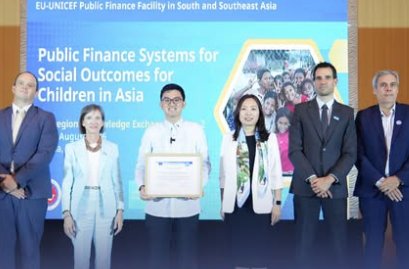
The initiative was formalized through a joint agreement signed by TESDA Secretary Kiko Benitez and Agriculture Secretary Francisco Tiu Laurel Jr.
Under the agreement, TESDA and the DA’s Bureau of Plant Industry (BPI)—through its National Urban and Peri-Urban Agriculture Program (NUPAP)—will develop standardized competency modules leading to the Urban Agriculture Production National Certificate (NC II).
This qualification provides Filipinos with a recognized standard in modern food production.
Implementation will be spearheaded by the TESDA Green Technology Center (GTC) in tandem with the DA-BPI NUPAP, ensuring all curricula are grounded in climate-smart technologies.
To expand national reach, the agencies plan to establish technology demonstration hubs, train instructors, and equip partner facilities to showcase scalable farming systems.
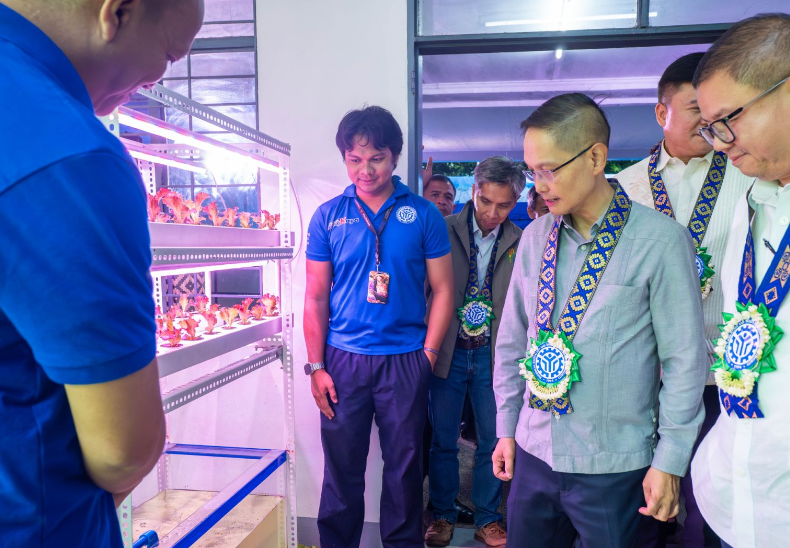
As part of the rollout, the TESDA Complex in Taguig will host a flagship Urban Agriculture Technology Demonstration and Training Center.
The center will feature hands-on exposure to hydroponics, vertical farming, container gardening, and composting, serving as a primary knowledge-sharing hub for learners, trainers, and community members.
“Skills development is ultimately about creating opportunities for people,” said Sec. Benitez, noting that the initiative aims to translate classroom instruction into sustainable livelihoods, entrepreneurship, and resilient communities.
Sec. Tiu Laurel emphasized the natural resourcefulness of Filipinos, referencing the widespread adoption of home gardening during the COVID-19 pandemic.
“Give us a small patch of land, a rooftop, a balcony or even a few recycled containers, and before long, someone has turned them into a thriving garden,” he said, adding that the initiative aligns native skills with structured technical training.
The partnership aims to build a certified network of urban agriculture practitioners capable of converting unused urban spaces into productive food sources while opening new economic pathways for households nationwide.