

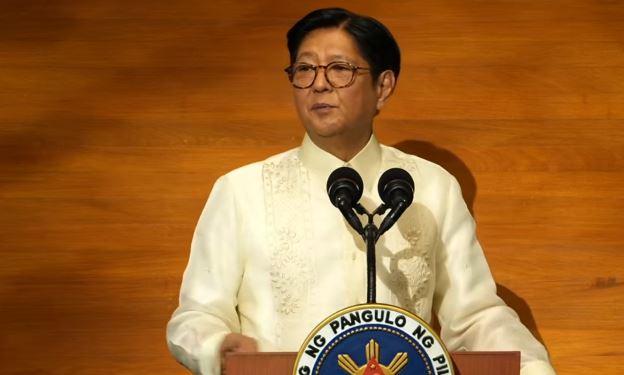


WITH just two years remaining in his presidency, President Ferdinand Marcos Jr. faces growing pressure to deliver concrete results on inflation, employment, and corruption rather than relying on policy pronouncements, good governance advocates warned on Friday.
The call to action was made during a post-State of the Nation Address (SONA) forum organized by Democracy Watch.
Stakeholders emphasized that public expectations have grown increasingly urgent as Marcos enters the final stretch of his six-year term.
“The focus can no longer be on announcing reforms… Implementation will ultimately define this administration’s legacy,” said Democracy Watch co-convenor Victor Manhit.
He noted that Marcos’s trust rating dropped to a low of 34 percent in June, reflecting widespread public desire for stronger leadership on issues directly impacting daily life.
Survey data highlighted rising food prices, job scarcity, and persistent corruption as top public concerns.
In response to governance concerns, the Department of Budget and Management (DBM) outlined several preventative measures integrated into the upcoming 2027 national budget.
Acting Budget Secretary Kim Robert de Leon stated that the DBM applied one of its strictest reviews in recent years to agency budget proposals, prioritizing implementation readiness and measurable outcomes ahead of its planned submission to Congress before August 14.
Key budget safeguards include requiring priority regional projects to secure endorsements from Regional Development Councils.
The agency also introduced the Centralized Open Monitoring Platform for Appropriations and Spending Statistics (DBM Compass), a public online portal designed to track expenditures from allocation to disbursement.
Furthermore, the DBM expanded Project DIME, utilizing satellite imagery, drones, and geotagging to independently verify infrastructure progress, including flood control projects.
“Our responsibility is to ensure that these commitments are translated into sound policies, effective programs, and a national budget that delivers meaningful results for every Filipino,” De Leon said, emphasizing that prevention is the strongest safeguard against corruption.
Despite these digital and administrative reforms, Democracy Watch reiterated that institutional progress will ultimately be measured by tangible improvements in citizens’ everyday lives before the administration concludes in 2028.


